Veteran-Specific Care Services
Last Updated: April 2, 2026
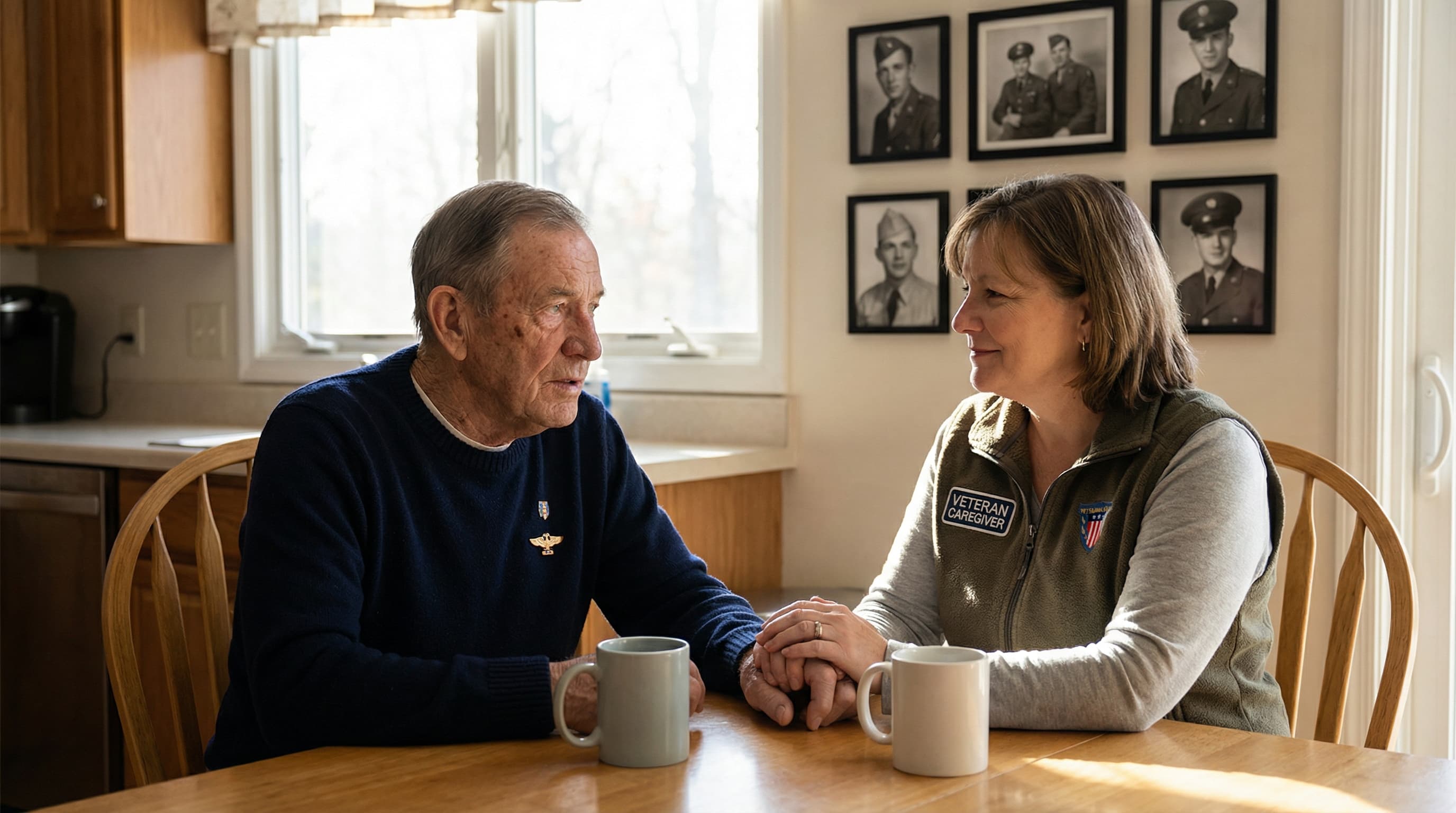
Veteran-specific care services address the unique needs of military veterans through military culture competency, PTSD-informed caregiving, service-connected disability support, and VA healthcare coordination. These specialized services recognize that veterans' health conditions, communication preferences, and care needs often differ from civilian seniors due to military service experiences, combat exposure, and service-related injuries or illnesses.
What makes veteran care services unique?
Veteran care goes beyond standard personal care assistance to address military-specific health conditions and cultural factors:
- Military culture awareness: Understanding rank, branch differences, deployment impacts, and military values
- Combat trauma knowledge: PTSD-informed approaches and trauma-sensitive care techniques
- Service-connected condition expertise: Support for hearing loss, mobility issues, exposure-related illnesses
- VA system navigation: Coordination with VA healthcare and assistance with VA benefits
- Veteran caregiver preference: Many agencies employ veteran caregivers who understand military life firsthand
PTSD-informed caregiving approaches
Post-traumatic stress disorder affects approximately 11-20% of veterans who served in Iraq and Afghanistan, 12% of Gulf War veterans, and 15% of Vietnam veterans. PTSD-informed care uses trauma-sensitive approaches:
Core principles of trauma-informed care
- Safety first: Creating physically and emotionally safe care environments
- Transparency: Explaining actions before performing them, no surprises
- Respect for personal space: Understanding boundaries and asking permission
- Predictable routines: Consistent schedules reduce anxiety
- Choice and control: Giving veterans control over their care when possible
- Recognition of triggers: Avoiding known PTSD triggers (loud noises, sudden movements, specific topics)
Practical PTSD-aware care techniques
- Announce presence: Knock before entering, speak before approaching from behind
- Explain actions: "I'm going to help you with your bath now, is that okay?"
- Respect personal space: Maintain appropriate distance, ask before touching
- Calm responses: If veteran experiences flashback or anxiety, respond calmly without judgment
- Grounding techniques: Help veteran focus on present (name 5 things you can see/hear/touch)
- Avoid triggers: Be aware of fireworks dates, loud TV shows with combat scenes, news coverage of wars
Communication strategies
- Use direct, clear communication (military communication style)
- Avoid sudden questions about combat or deployment (let veteran initiate if they want to talk)
- Recognize when silence is appropriate—not all moments need conversation
- Listen without trying to "fix" or minimize experiences
- Know crisis resources: Veterans Crisis Line 988 then press 1
Service-connected disability support
Many veterans have service-connected disabilities that require specialized care approaches:
Common service-connected conditions
- Hearing loss: Face veteran when speaking, speak clearly (not louder), reduce background noise, learn basic sign language if needed
- Mobility limitations: Understand use of prosthetics, wheelchairs, walkers; adapt home safely; know VA prosthetic services
- Chronic pain: Respect pain limitations, assist with pain management routines, coordinate with VA pain clinics
- Respiratory conditions: Support for oxygen therapy, understand exposure-related lung issues (burn pits, Agent Orange)
- TBI (Traumatic Brain Injury): Cognitive support, memory aids, routine consistency, coordination with VA TBI specialists
Exposure-related illnesses
Veterans may have conditions from military exposures:
- Agent Orange (Vietnam): Diabetes, heart disease, certain cancers, Parkinson's
- Burn pit exposure (Iraq/Afghanistan): Respiratory issues, rare cancers
- Gulf War Illness: Chronic fatigue, pain, cognitive issues
- Radiation exposure: Various cancers and conditions
Veteran-specific caregivers understand these conditions are service-connected and coordinate care with VA specialists.
Military culture-competent caregiving
Military culture shapes values, communication, and expectations. Veteran-aware caregivers understand:
Military values in care
- Duty and responsibility: Veterans may resist accepting help (see it as weakness). Frame care as maintaining independence
- Honor and respect: Acknowledge service respectfully without excessive "hero worship"
- Self-reliance: Encourage what veterans can do themselves while providing needed assistance
- Mission focus: Present care goals as "missions" (maintain independence mission, health improvement mission)
Communication style matching
- Direct and efficient: Military communication is clear and to-the-point
- Respect chain of command: Understand veteran may want to make all decisions (not family)
- Use military time if preferred: "1400 hours" instead of "2pm" if that's what veteran uses
- Understand military humor: Dark humor is common among veterans as coping mechanism
Branch and era awareness
- Recognize differences between Army, Navy, Air Force, Marines, Coast Guard
- Understand era-specific experiences (WWII, Korea, Vietnam, Gulf War, Iraq/Afghanistan)
- Know basic military terminology and acronyms
- Respect military memorabilia and service history
VA healthcare coordination
Veteran-specific care providers coordinate with the VA healthcare system:
Supporting VA care
- Transportation to VA appointments: Assistance getting to VA medical centers and clinics
- Communication with VA providers: Coordinate care plans with VA doctors and nurses
- VA medication management: Help with VA-prescribed medications and pharmacy services
- VA telehealth support: Assist with VA video appointments and secure messaging
- VA equipment coordination: Work with VA prosthetics and medical equipment services
Understanding VA disability ratings
Caregivers familiar with veterans understand VA disability ratings (0-100%) and how they relate to care needs:
- Higher ratings indicate more severe service-connected conditions
- Ratings affect VA benefit eligibility and priority for care
- Multiple conditions can combine for higher overall rating
- Can help veteran apply for rating increase if condition worsens
Specialized veteran care programs
Dementia care for veterans
Veterans with dementia benefit from specialized approaches:
- Memory care that incorporates military history and service pride
- PTSD considerations in dementia care (combat memories may surface)
- Use of military music and memorabilia for memory stimulation
- Understanding that dementia can worsen PTSD symptoms
End-of-life care for veterans
- We Honor Veterans program: Hospice program recognizing military service at end of life
- Veteran-to-Veteran volunteer visits: Fellow veterans visit dying veterans
- Military honors: Coordinate with VA for burial benefits and military funeral honors
- Life review: Helping veterans process military experiences and find meaning
Respite care for veteran caregivers
- Temporary relief for family members caring for veterans
- VA offers respite care services through various programs
- Professional caregivers trained in veteran-specific needs provide short-term care
- Prevents caregiver burnout while ensuring veteran receives quality care
Veteran caregiver benefits
Many veteran-friendly providers employ veterans as caregivers. Benefits include:
Why veteran-to-veteran care works
- Shared language and culture: No translation of military terms or concepts needed
- Mutual respect: Natural camaraderie between those who served
- Unspoken understanding: "Gets it" without lengthy explanations
- Combat understanding: Can relate to deployment experiences if veteran wants to share
- PTSD recognition: May recognize PTSD signs from own experience
However: Training matters more than veteran status
A non-veteran with military culture training, trauma-informed care certification, and genuine respect for veterans can provide excellent care. The key is competency and training, not just shared military experience.
How to access veteran-specific care services
Finding qualified providers
- Ask VA social worker for veteran-friendly provider recommendations
- Contact Veterans Service Organizations (VFW, DAV, American Legion) for referrals
- Check with county veterans service office for local provider lists
- Ask other veteran families for recommendations
- Look for providers with "We Honor Veterans" or military culture training certifications
Questions to ask providers
- What percentage of your clients are veterans?
- Do you employ veteran caregivers? What percentage?
- What military culture training do your caregivers receive?
- How do you handle PTSD-related care needs?
- Can you coordinate with VA healthcare providers?
- Do you help with VA Aid & Attendance applications?
Veteran-Specific Care Services
Veteran-aware care services include military culture competency, veteran caregivers, PTSD-informed approaches, and VA benefit assistance.
Ohio: (740) 276-8611 | Mid-Ohio Valley
Maryland: (443) 291-7100 | Southern Maryland
Related Resources
- Choosing a Veteran-Friendly Provider →
Questions to ask and credentials to verify when selecting veteran care
- Veterans with Dementia Care →
Specialized memory care for veterans with PTSD considerations
- What is Veterans Home Care? →
Overview of home care services tailored to military veterans